- Resolution determines the sharpness of the image based on the number of horizontal and vertical pixels a panel has.
- The Full HD (1080p) standard remains the most balanced option for general use, while UHD or 4K is the current benchmark in large televisions.
- Choosing the ideal resolution depends directly on the screen's diagonal size and its specific use, whether it's for gaming, professional design, or streaming.
You've probably experienced this: when looking for a new TV or monitor for work, you're faced with a sea of indecipherable acronyms on the boxes and technical specifications. HD, Full HD, QHD, UHD… it seems like brands do everything they can to confuse us and make us buy the most expensive model without really knowing why. The reality is that, even though they sell us upgrading as essential, we often don't need the highest resolution to enjoy a good picture.
To bring order to this chaos, the first thing to understand is that resolution is simply a way of measuring how many pixels our screen panel has. Imagine pixels as those tiny points of light that, when combined, form the image we see. The more vertical and horizontal lines the device has, the greater the definition and the sharper the details will appear, although there comes a point where the human eye no longer notices the difference, no matter how many pixels you add.

Understanding Full HD and basic standards
When we talk about Full HD or FHD, we're specifically referring to a resolution of 1920 x 1080 pixels . This means there are 1.920 pixels horizontally and 1.080 vertically, totaling approximately 2,07 million pixels. It's very common to see it referred to simply as 1080p in stores , using only the vertical resolution for short.
Compared to HD Ready or High Definition (HD), the difference is significant. Standard HD is limited to 1280 x 720 pixels, offering less sharpness and detail . Therefore, Full HD is the winning option if you're looking for decent quality without spending a fortune, and it's compatible with larger screens without pixelation.

Jumping to the next level: QHD, 4K and UHD
From here, things get interesting. QHD or Quad HD (2560 x 1440 pixels) is the ideal middle ground, very common in gaming monitors and high-end laptops . It's called that because it has four times the pixels of a basic HD, offering a perfect balance between performance and workspace , something that designers and editors greatly appreciate.
Then we have the realm of 4K and UHD, which are often used interchangeably but have a technical distinction. Home UHD (Ultra High Definition) is 3840 x 2160 pixels, while 4K DCI, used in cinema , reaches 4096 x 2160. In practice, if you buy a 4K TV, you'll be getting a UHD panel that has four times the detail of Full HD , allowing you to see textures and minute details that previously went unnoticed.

Extreme resolutions and panel technologies
At the top of the pyramid is 8K, with a massive resolution of 7680 x 4320 pixels. While the sharpness is incredible, it's not really worth it these days . Televisions are extremely expensive, and there's practically no native 8K commercial content, limited to simple YouTube demos. On the other hand, we mustn't forget that resolution isn't everything; technologies like QLED use liquid nanocrystals to improve brightness and contrast, achieving much more vibrant colors.
- HD (720p): Ideal for small screens or very tight budgets.
- Full HD (1080p): The standard for general use, streaming, and basic monitors.
- QHD (1440p): The smart choice for gaming and multitasking.
- UHD/4K: Essential for televisions larger than 40 inches and home cinema systems.
- 8K: Futuristic technology that is currently impractical.
Size matters: What resolution should you choose based on your needs?
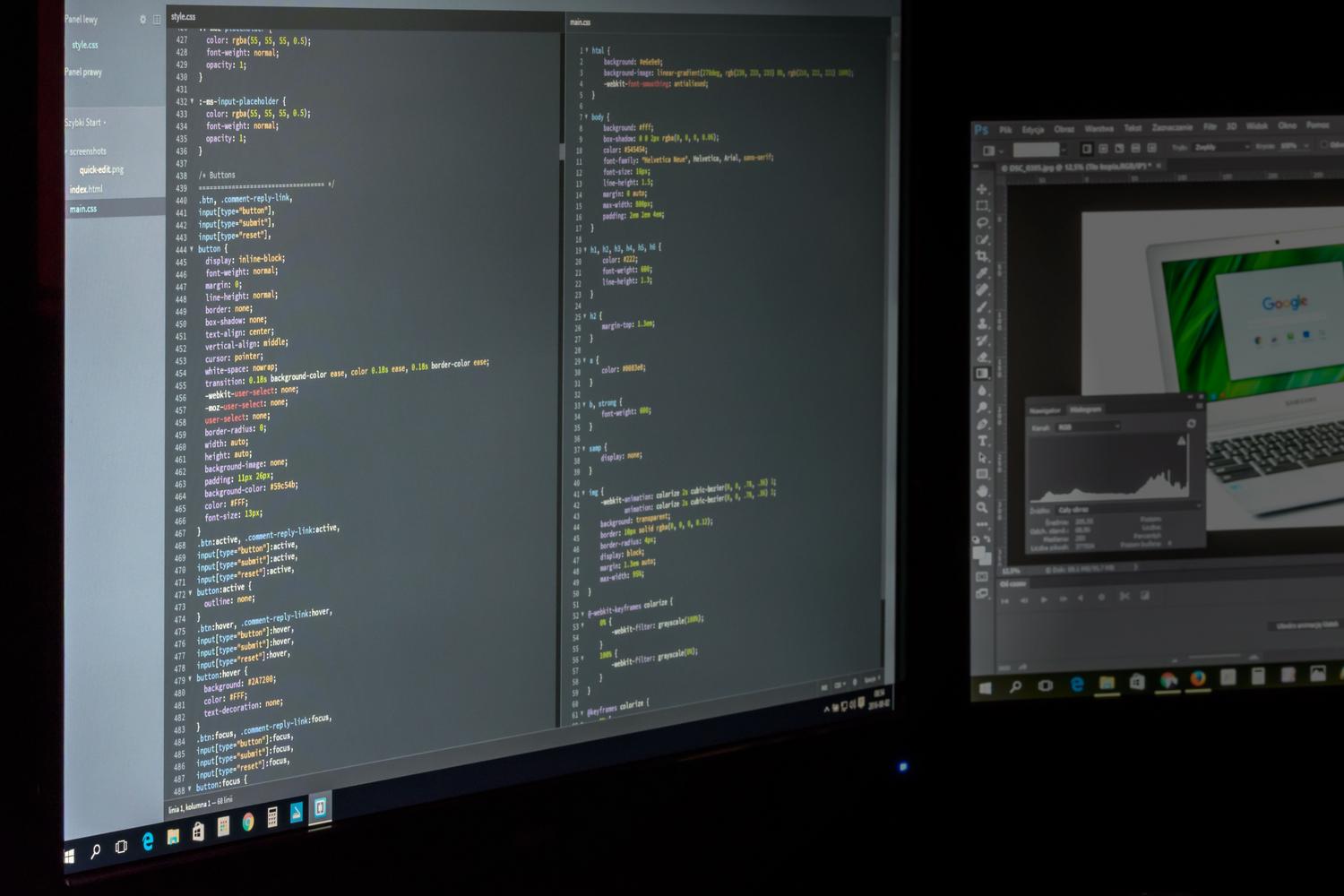
It's pointless to have an extremely high resolution if the hardware doesn't support it or the screen size doesn't justify it. For example, HD resolution looks great on a 32-inch screen, but becomes unbearable on a 55-inch screen because the pixels are stretched and the image looks blurry. In the case of monitors, playing games in 4K requires a very powerful graphics card or a next-generation console; if you don't have that equipment, a Full HD monitor will be perfect.
For professionals like architects or video editors, 4K monitors are the ultimate tool, allowing for crystal-clear text and a massive workspace for managing multiple windows simultaneously. Furthermore, it's crucial to remember that to take full advantage of these resolutions, you need high-quality HDMI cables , as a cheap cable can cause signal problems and ruin the viewing experience.
Understanding that the final quality depends on the combination of panel resolution, original content quality, and screen size allows for an informed purchase decision. While Full HD remains a safe bet for everyday use, 4K dominates the large-screen market, and QHD reigns supreme in the gaming world, leaving 8K as a technological curiosity for a select few enthusiasts.