- Detailed analysis of the shield and guard break mechanics in the Super Smash Bros. series.
- Explanation of technical variations and special characters such as Yoshi and Jigglypuff.
- Alert about the critical privilege escalation vulnerability in Windows operating systems.

When we hear the term ShieldBreak, our minds are likely to jump in two completely opposite directions. On the one hand, we have the competitive chaos of video games , where breaking an opponent's shield can mean instant victory. On the other, we encounter the world of cybersecurity , where a vulnerability of the same name jeopardizes the stability of our computers.
In this article, we'll break down both concepts so you're completely clear. Whether you're looking for ways to avoid being knocked out of the Smash arena or you're a system administrator concerned about Windows security , here's everything you need to know about this seemingly disparate phenomenon.
The art of defending and failing in Super Smash Bros
In the Smash universe, the shield is basically an energy bubble that saves us from most attacks. However, it's not invincible because it doesn't stop grabs or those brutal attacks considered unblockable, like Final Smashes. A key detail is that we can only use it while on the ground; if we try it in the air, we'll end up dodging, or, in the case of the first game, nothing will happen.
The problem arises when we overdo it. Shields shrink over time, and if we hold them up for too long, the infamous shield break occurs . This causes the character to be launched upwards, fall to the ground, and be stunned for a few seconds. To recover, the best thing to do is mash the buttons , as this speeds up recovery. Interestingly, the higher the percentage of damage you have, the shorter the stun time, which is a rather crazy but real mechanic.
Technical details that make the difference
Not all shields work the same way in every game. In Melee, for example, shield density depended on how hard you pressed the analog stick. Lighter shields were larger and lasted longer, but left you more vulnerable to knockback. Starting with Brawl and continuing into Ultimate, this was simplified, although concepts like the Perfect Shield were introduced , which allows you to block without taking damage if the timing is perfect.

Beware of shield poking . When the shield shrinks too much, parts of the fighter's body remain outside the bubble, allowing the opponent to hit without breaking guard. To avoid this, skilled players prefer to win the neutral game and attack strategically rather than remaining trapped in their bubble.
Special cases and unique characters
Yoshi is undoubtedly the odd one out. Instead of a bubble, he retreats into a Yoshi egg that doesn't shrink. This is a huge advantage because it prevents him from being poked, although the risk is that if his shield is broken, the punishment is usually much more severe than for the others. Furthermore, in older versions, he could perform an almost instantaneous parry upon entering defense mode.
On the other hand, we have Jigglypuff, for whom a shield break is a true tragedy. When its shield explodes, it's launched upwards with tremendous force, often causing it to self-destruct upon leaving the upper edge of the stage. Sometimes, speedrunners use this to their advantage to perform unusual jumps or gain time by hugging the ceiling.
Advanced actions outside the shield
In Ultimate, characters like Steve and Inkling have introduced new mechanics. Inkling can recharge his ink by transforming into a squid while defending, and Steve can place his crafting table. These actions are useful but dangerous, as they force you to abandon your shield , leaving you vulnerable for a moment if you don't time your move correctly.
The digital threat: The ShieldBreak exploit on Windows
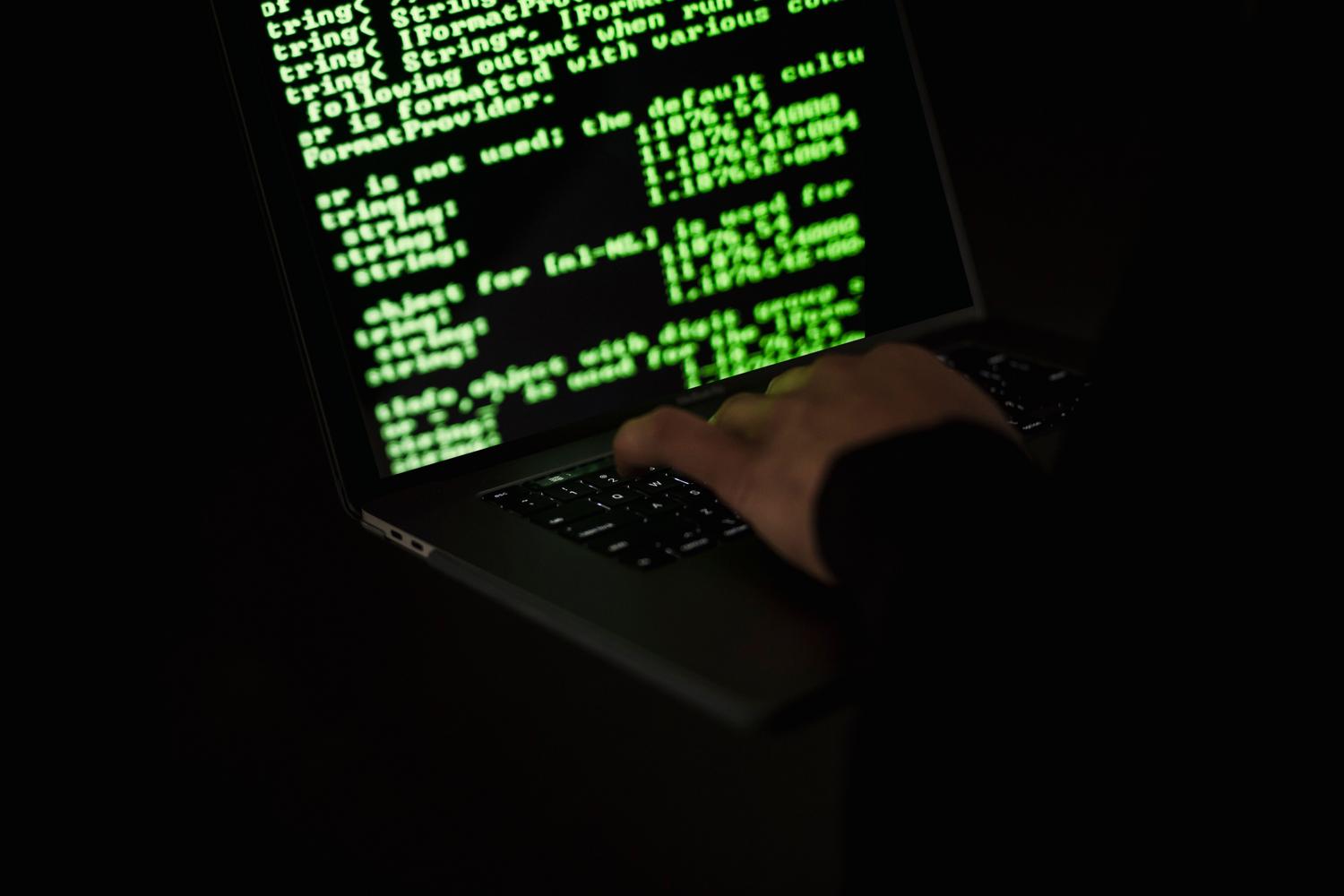
Moving from the console to the PC, ShieldBreak takes on a much darker meaning. It's a critical vulnerability affecting Windows 10, Windows 11, and Windows Server versions. This exploit is especially dangerous because it allows an attacker with local access to the computer to escalate their privileges to SYSTEM, the highest level of authority on the system.
The most worrying aspect is that this vulnerability manages to evade previous fixes , such as the one for RoguePlanet, and affects even systems that appear to be fully up to date. Security experts have already confirmed that it is fully effective in Windows 11, so the recommendation for developers is to secure their development environment and monitor system logs, restricting local access as much as possible until Microsoft releases a definitive patch.