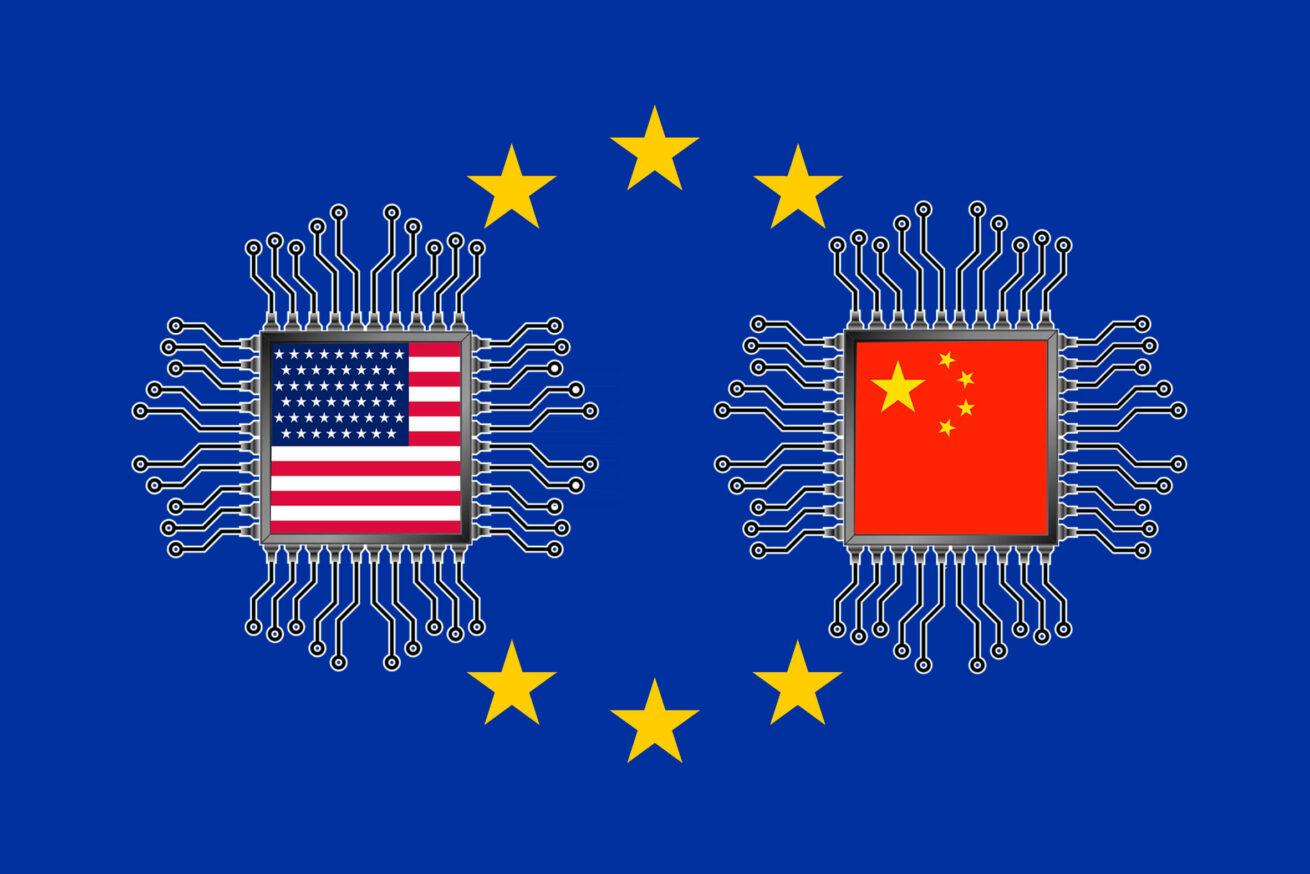
- Global operators are deactivating 2G and 3G frequencies to optimize the radio spectrum and boost the expansion of 4G and 5G networks.
- This process severely affects older IoT devices, telecare systems, alarms, and the eCall system in many vehicles.
- Migrating to modern technologies like NB-IoT and LTE-M is essential to prevent millions of devices from becoming completely disconnected.
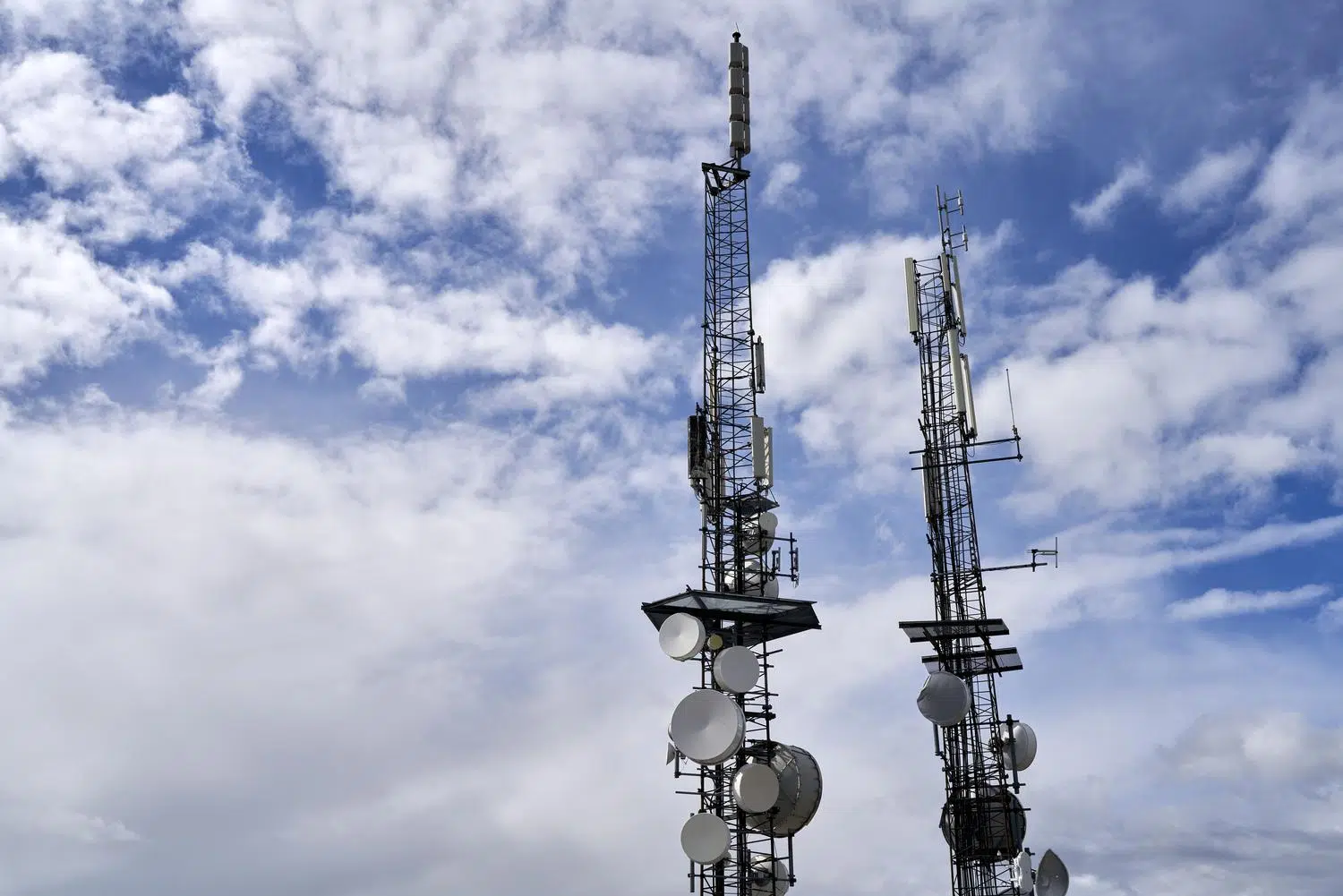
You've probably noticed your smartphone is incredibly fast with 5G, but while we enjoy high-resolution videos, there's an invisible world of machines about to fall silent. The dismantling of 2G and 3G networks isn't an urban legend, but a globally coordinated plan to clear the radio spectrum and make way for much more efficient and faster technologies.
For the average user who changes their phone every few years, this might go completely unnoticed. However, for companies that manage IoT device fleets or for those who own older cars and security systems, this is a serious problem. It's not just a matter of speed, but of technical survival: if your device only understands the language of the second or third generation, it will simply stop connecting one day.

Why was the decision made to shut down these networks?
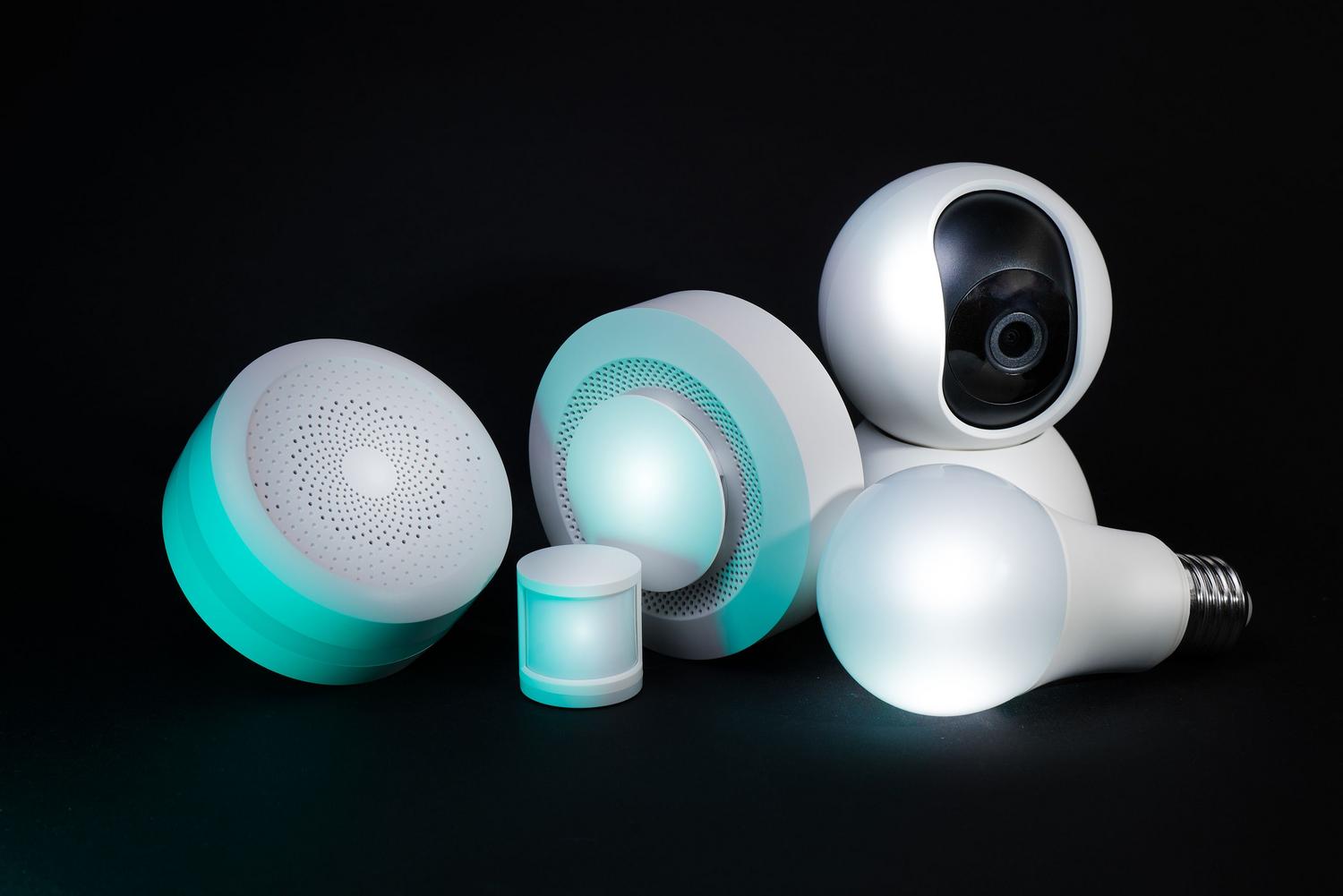
The main reason is that radio spectrum is a limited and very expensive resource. Keeping antennas running that use 1990s technology is, frankly, a waste of money and space. By switching off GSM (2G) and UMTS (3G), operators can repurpose those frequencies (such as the 900 MHz and 2.100 MHz bands) so that 4G and 5G can reach more places, especially in rural areas where coverage is often a major problem.
Furthermore, these older networks are less energy-efficient and have security vulnerabilities that are unacceptable today. By migrating to modern standards, we not only gain speed, but we also ensure that sensor batteries last for years and that connections are much more robust against external attacks.
Situation in Spain and the rest of Europe
In our country, the path has already been laid out, albeit with some nuances. The general trend is to first eliminate the 3G network , which has already been withdrawn by operators such as Vodafone and Orange, while 2G remains as a temporary "lifeline." The complete switch-off in Spain is expected to be finished between 2026 and 2030 , depending on the operator and the type of service.
Looking at the rest of the continent, the landscape is quite varied. In Germany, 3G is already a thing of the past, and 2G will remain in operation until 2031 to ensure critical services continue uninterrupted. Countries like Switzerland, Norway, and Sweden have been much more proactive and have already switched off both technologies . Others, such as Belgium and Poland, plan to maintain 2G until the end of 2030 to allow the industry time to adapt.
The big problem: Critical devices and the "Year 2000" bug
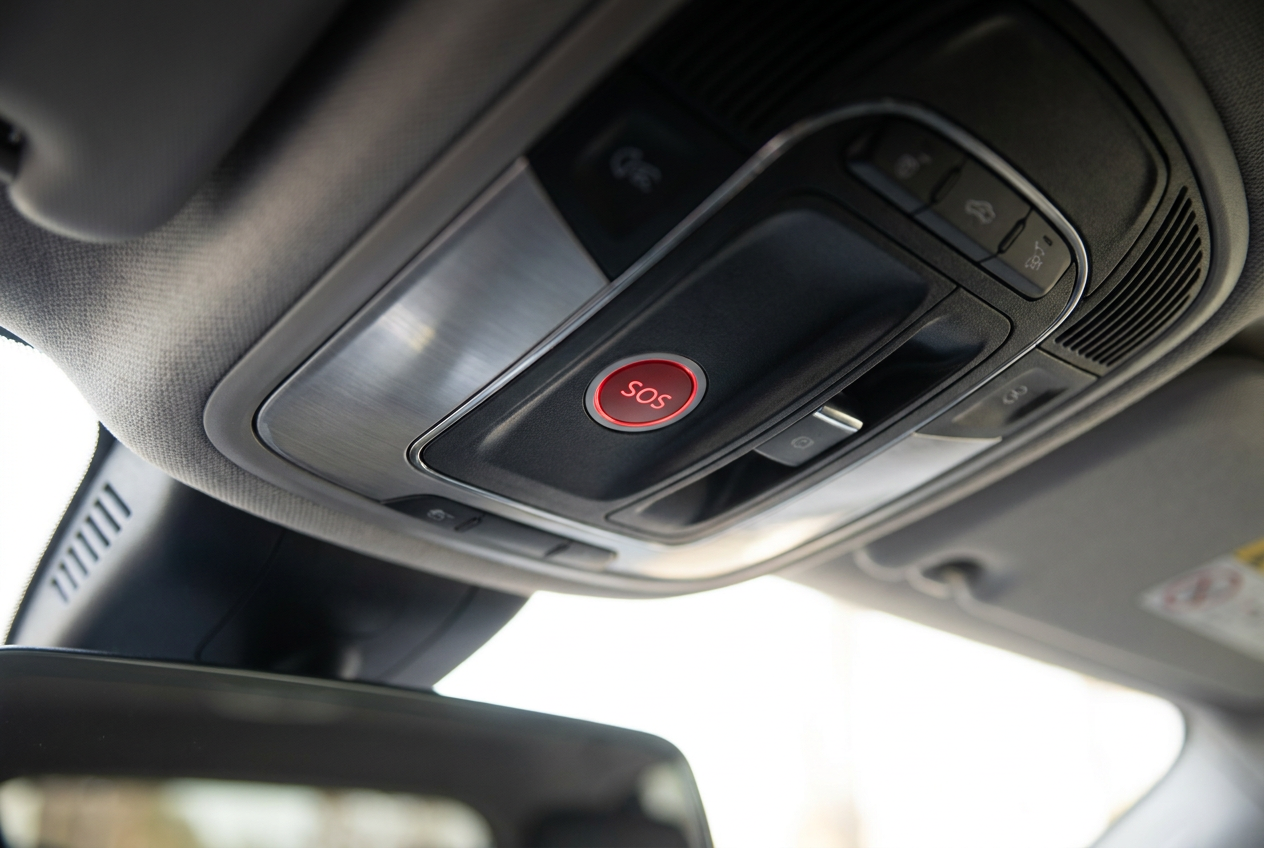
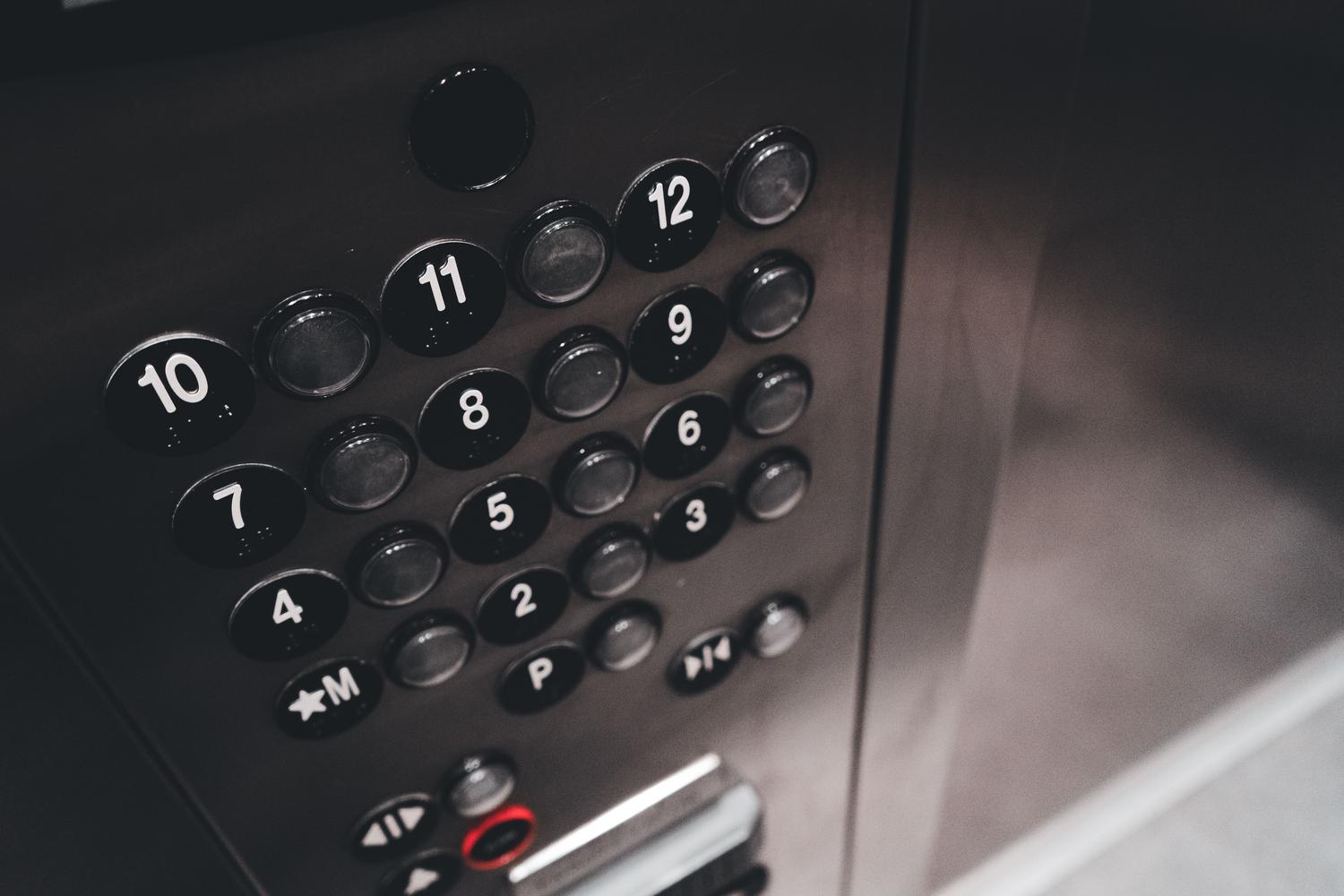
This is where things get serious. We're not talking about an old mobile phone in a drawer, but about vital infrastructure . The clearest example is elevators: the law requires them to have two-way communication and perform self-tests every 72 hours. If the module is 2G and the network goes down, the elevator could be taken out of service for safety reasons, leaving thousands of people stranded.
- eCall systems in vehicles: Cars approved since 2018 have this emergency system. Many use 2G/3G, and if they aren't updated via software (OTA) or hardware change, the SOS button will be a useless decoration.
- Telecare and alarms: Devices for the elderly or older home alarms depend entirely on these frequencies.
- Rural card payment terminals: In towns where 4G signal is poor, 2G is what allows a business to accept card payments.
Brands like CUPRA are already making moves, launching over-the-air updates for their GEN3 models and seeking private eCall solutions so that their customers do not lose protection in the event of an accident, especially in vehicles manufactured between 2022 and 2024.
How can I tell if I'm affected and what should I do?
The first thing to understand is that the problem is usually not with the SIM card, which are almost all compatible nowadays, but with the device's hardware . If your device is old, you probably need to update the modem or the firmware. A common mistake is thinking that because a device is 4G, it's safe; there are devices that use 4G for data but rely on 2G for voice (because they don't support VoLTE), so they would lose the ability to make calls.
The alternatives: NB-IoT, LTE-M and 5G
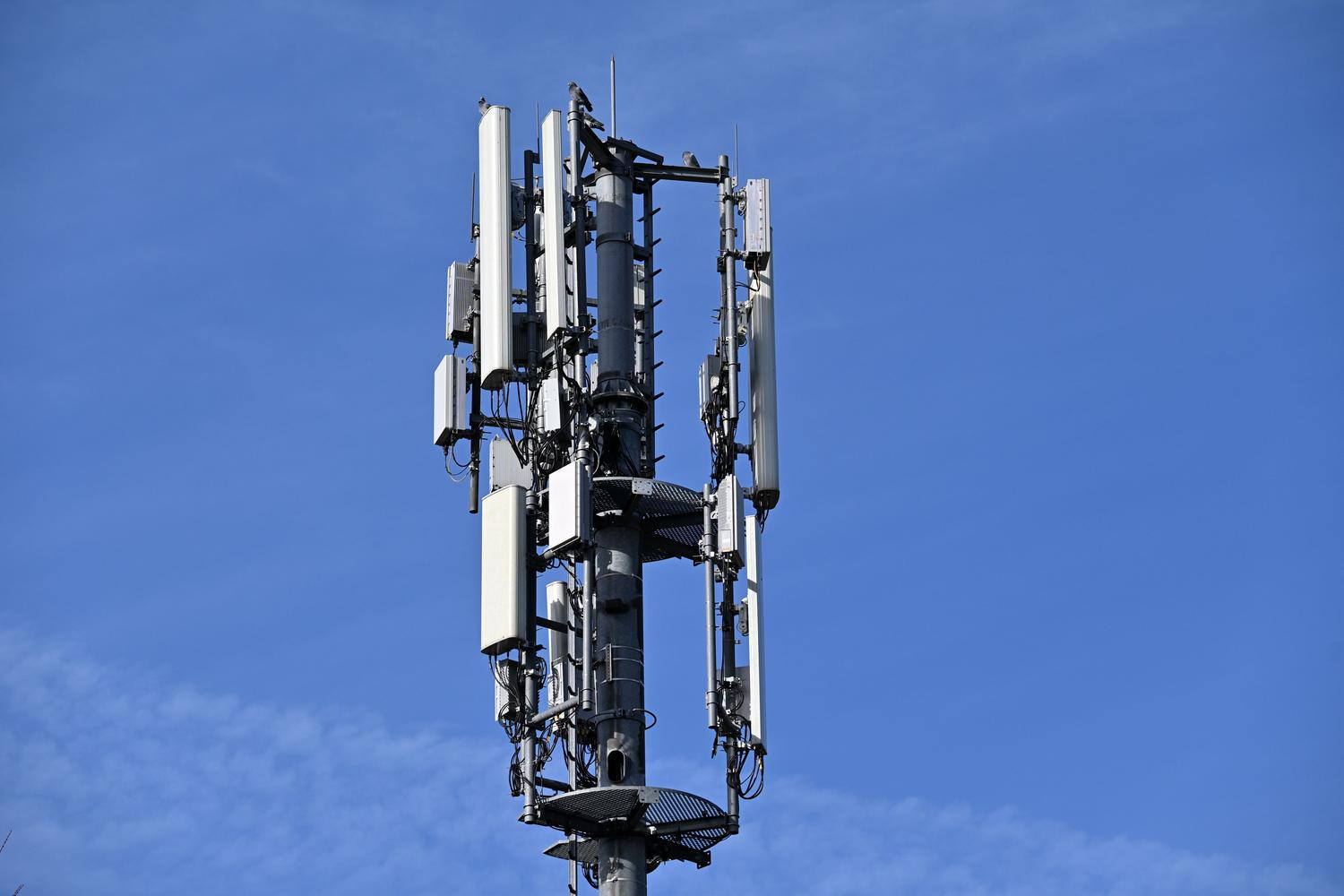
The future of the Internet of Things isn't just about widespread 5G. Specific technologies have emerged for sensors and machines. Narrowband IoT (NB-IoT) is ideal for water or gas meters located in basements, as it offers exceptional penetration and consumes very little power. On the other hand, LTE-M is the perfect option for trackers or wearables that need to move and maintain a stable connection.
5G, meanwhile, is reserved for applications that require zero latency , such as remote surgery or autonomous cars, where a millisecond of delay can make all the difference.
The technological transition is inevitable and is already underway in much of the world. To prevent security systems, vehicles, or industrial machinery from becoming isolated, it is crucial to audit current hardware and upgrade to standards such as 4G VoLTE, NB-IoT, or 5G before operators pull the plug for good in the coming years.