
- 64-bit architecture with eight ARM Cortex-A53 cores that reach 1.5 GHz.
- LTE WorldMode global connectivity with support for FDD, TDD and CDMA2000.
- Mali-T720 graphics compatible with OpenGL ES 3.0 and Full HD display support.
- Ability to process images from cameras up to 16 MP and H.265 video.
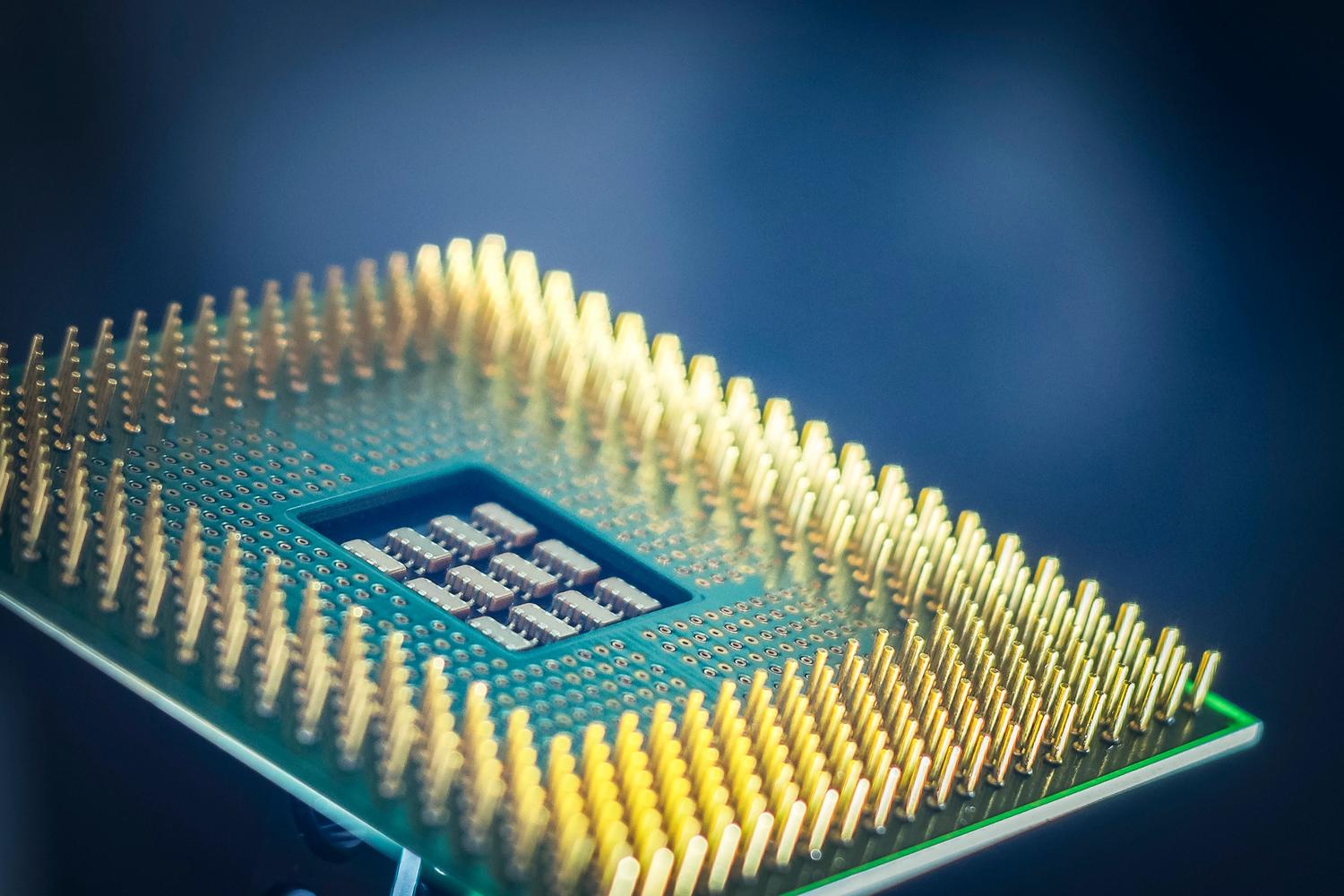
When we talk about chips that marked a turning point in the mid-range market, the MediaTek MT6753 takes a significant share of the pie. This System-on-a-Chip (SoC) arrived on the market with the ambition of democratizing power, offering a 64-bit architecture in devices that didn't cost an arm and a leg, allowing the average user to have a smooth-running machine without breaking the bank.
What truly makes this processor special is that it didn't just rely on brute force, but also focused on impressive global connectivity . Thanks to its WorldMode capability, this chip allowed devices to function in virtually any corner of the planet, breaking down the frequency band barriers that have so often caused us headaches when buying imported phones.

Power and Cores: The Heart of the System

The MT6753 features an octa-core ARM Cortex-A53 processor , which typically operates at 1.5 GHz, although some versions may vary slightly towards 1.3 GHz. This octa-core architecture is designed to balance power consumption with responsiveness, preventing the device from overheating while multitasking.
To manage all this power, MediaTek implemented CorePilot technology . Essentially, it acts as the conductor, deciding which cores to work and which to rest, ensuring optimal performance and preventing battery drain. Compared to its smaller sibling, the quad-core MT6735, the leap in processing power is remarkable, making it the ideal choice for those seeking more robust performance.
Graphics and Multimedia Performance

In terms of visuals, this SoC integrates the Mali-T720 GPU . This graphics card supports modern APIs such as OpenGL ES 3.0 and OpenCL 1.2, which at the time allowed for the execution of games and interface effects with quite decent quality. Regarding displays, the chip doesn't hold back and is capable of handling Full HD (1920x1080) resolutions at 60 frames per second, relying on MiraVision technology to ensure colors and sharpness worthy of a television.

For photography enthusiasts, the processor includes an advanced ISP that supports sensors up to 16 megapixels . It also includes interesting features such as real-time face beautification and the ability to record Full HD video. A key strength is its support for the H.265 codec , which allows for high-quality video playback while consuming significantly less bandwidth and storage than the older H.264 codec.
Connectivity and Networks: A World Without Borders

If there's one thing the MT6753 boasts about, it's its modem. It's compatible with LTE Category 4 , achieving download speeds of up to 150 Mbps and upload speeds of up to 50 Mbps. But its most impressive feature is its versatility: it supports FDD-LTE, TDD-LTE, DC-HSPA+, TD-SCDMA, and, most notably, CDMA2000 1x/EVDO Rev. A , ensuring the phone works on networks of almost any operator worldwide.
In terms of wireless connectivity, it doesn't fall short. It features dual-band Wi-Fi , which avoids the interference common in 2.4 GHz networks, and Bluetooth 4.0 for connecting wearables and headphones without using too much power. Furthermore, it supports Miracast , allowing you to project your phone's screen onto a TV or monitor wirelessly.

Performance Analysis and Benchmarks
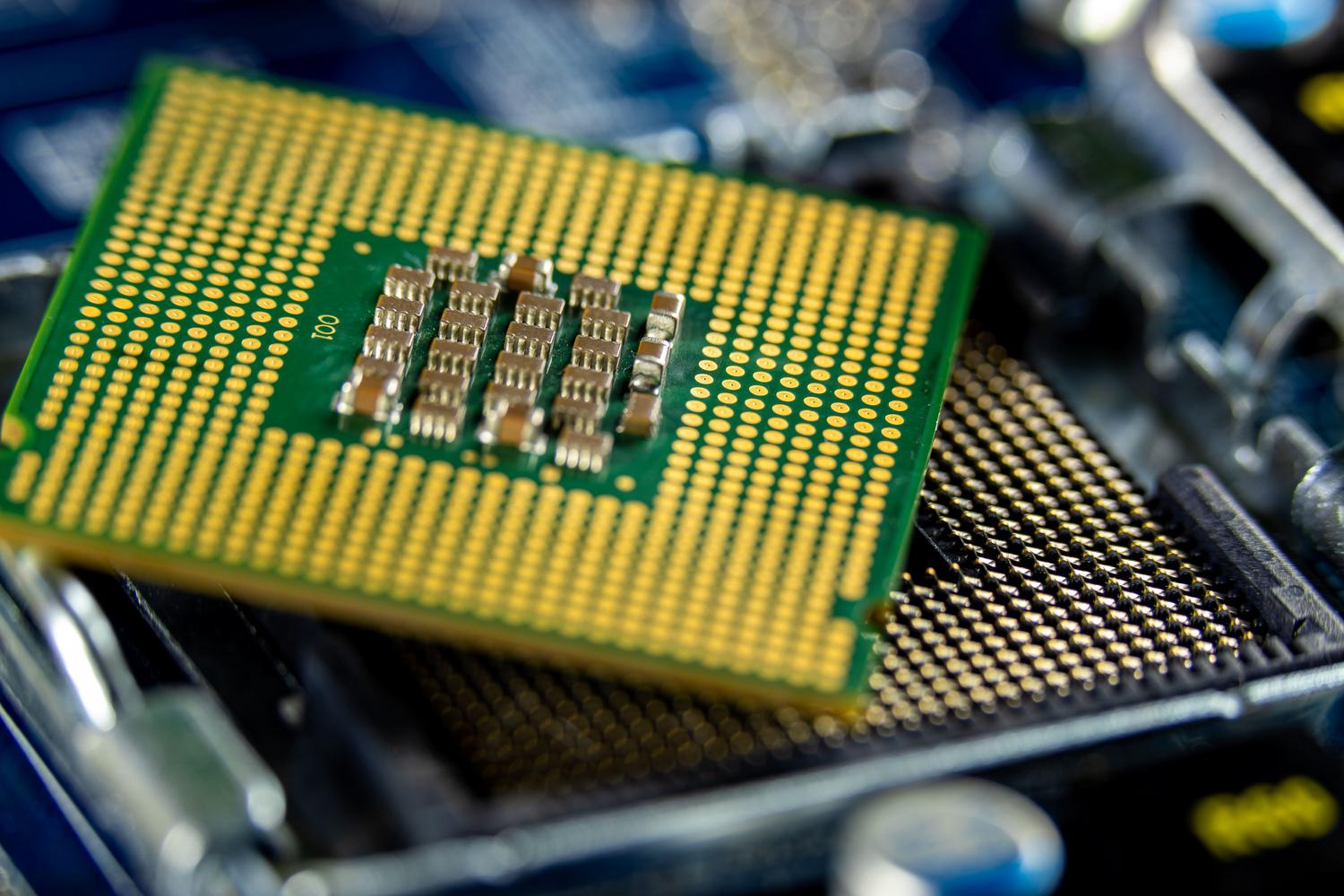
Looking at the raw numbers, the MT6753 typically scores around 45,367 points on Antutu , placing it in a competitive position for its time. In Geekbench tests, its results hover around 765 points in single-core and 230 in multi-core. When compared to the Snapdragon 617, the MediaTek chip demonstrates very similar responsiveness, although its primary focus has always been on value for money.
Gaming Experience
For gamers, the experience varies depending on the title. In games like PUBG Mobile or Mobile Legends , it can maintain around 30-31 fps, making the game playable. However, with much more demanding titles like Genshin Impact , performance drops drastically to 12 fps, clearly indicating that this is a chip geared towards the mid-range market and not extreme gaming.
- PUBG Mobile: Approximately 31 fps.
- Call of Duty Mobile: About 30 fps stable.
- Fortnite: Low performance, around 8 fps.
- Genshin Impact: Very limited, about 12 fps.
Devices that integrate this SoC
This processor has powered a huge number of devices, especially from brands looking to offer powerful hardware at competitive prices. Among the most notable models are the ZTE Blade V7, the Elephone P8000, and the Lenovo A7010 . It was also found in devices like the Cubot Max, the Ulefone Power, and the Acer Liquid Z630S, demonstrating its popularity in phones with large screens and massive batteries.
It's important to mention that, while the MT6753 is powerful, there's also the MT6752, which is slightly faster thanks to frequencies up to 1.7 GHz and a Mali-T760 GPU. However, the MT6753 compensates for this small difference in power with better network compatibility and a more affordable price for the manufacturer.
This chipset represents the essence of MediaTek: offering a 64-bit octa-core solution with global 4G connectivity and Full HD multimedia capabilities, bringing advanced technology to a critical mass of users through affordable and versatile devices worldwide.
